LIST OF PLANTS FROM SELECTED AREA
1.Mimosa diplotricha (GIANT SENSITIVE PLANTS)
ആനത്തൊട്ടാവാടി
FAMILY:LEGUMINOUS
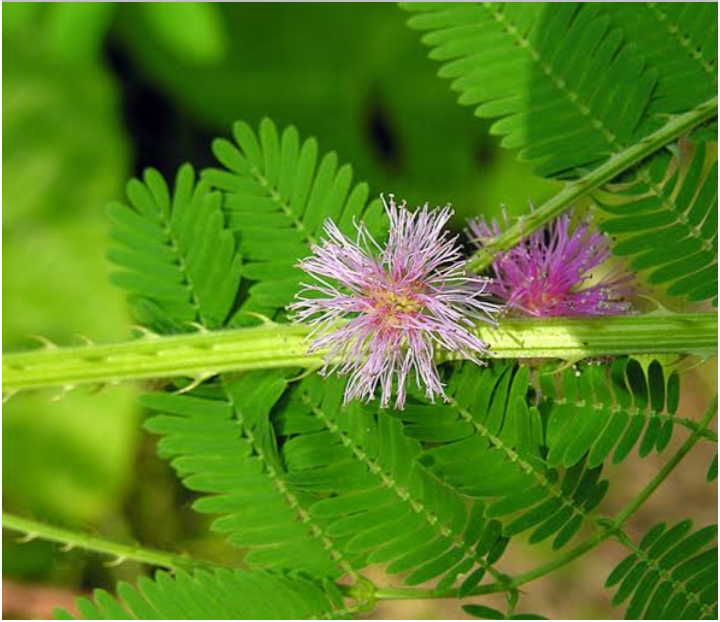
Mimosa diplotricha is a neotropical invasive shrub that forms dense, thorny thickets and spreads aggressively in tropical and subtropical regions. It is known as the giant sensitive plant and smothers native plants by climbing over them, and its sharp, hooked spines make it difficult for animals to graze or penetrate the thickets. This invasive species can negatively impact native ecosystems, agriculture, and biodiversity
2.Mikania scandens(CLIMPING HEMPWEED)
FAMILY:Asteraceae
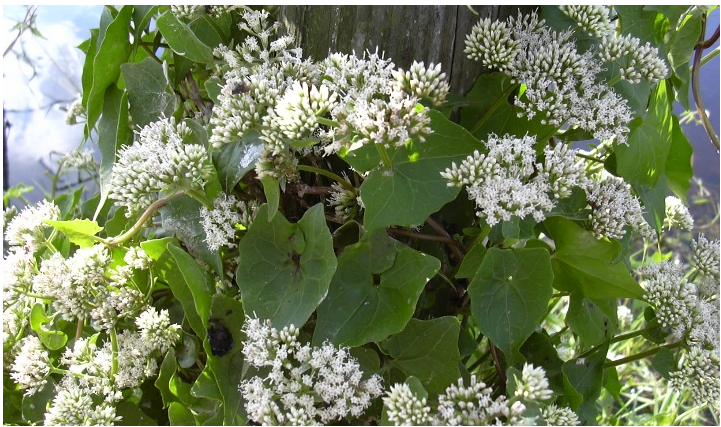
Mikania scandens, or climbing hempweed, is a herbaceous vine native to Eastern North America that is often confused with the invasive Mikania micrantha. While M. scandens can act as a local weed in its native range, it is not considered broadly invasive there and is even endangered in some parts of its native range. Its invasive reputation in places like Hawaii and Southeast Asia is likely due to misidentification with the highly invasive M. micrantha, which is known for its serious environmental and economic impacts
3.Panicum
FAMILY:GRASS FAMILY
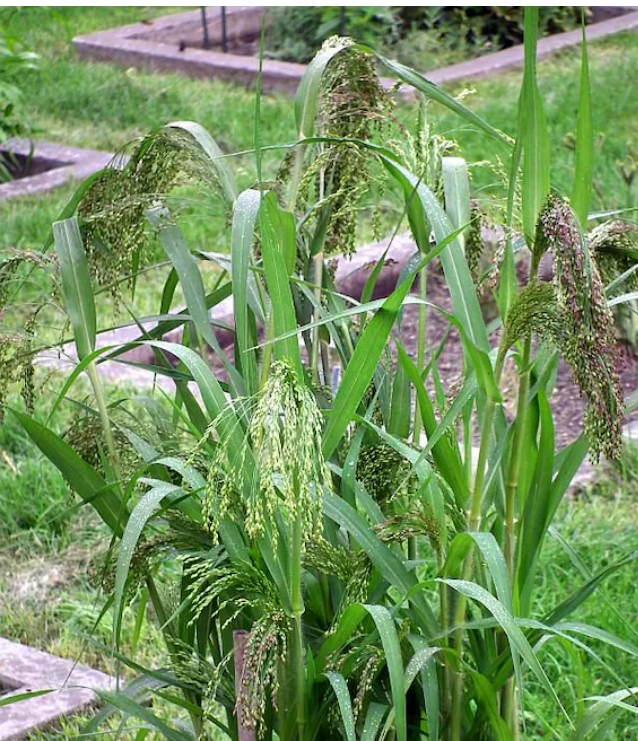
Different species of panic grass (genus Panicum) have different behaviors; some are native and benign, while others, like torpedo grass (Panicum repens), are aggressively invasive. The invasive species are known for their ability to form dense, sprawling colonies that displace native vegetation, particularly in moist habitats.
4.Chromoloena odorata (SIAM WEED/COMMUNIST PACHA)
FAMILY:ASTERACEAE
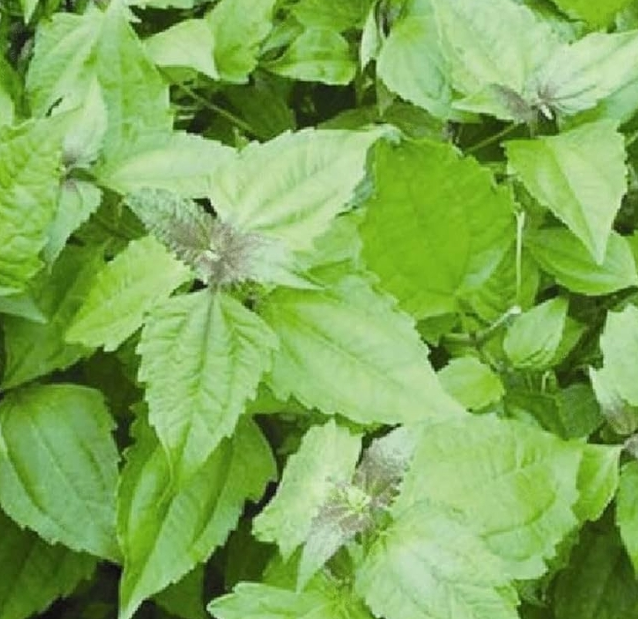
Siam weed is a fast-growing, invasive perennial shrub native to South and Central America that has become a major weed in tropical and subtropical regions .It forms dense, tangled bushes, grows to 1.5–2.5 meters tall, and can climb other vegetation to reach up to 6 meters. Key identifying features include triangular leaves with a distinctive "pitchfork" pattern and small, fragrant, fluffy flowers that are white when young and turn mauve or purple as they mature. It outcompetes native plants, has allelopathic effects (releasing chemicals that inhibit other plants), can cause skin allergies, and its leaves are toxic to cattle.
5.Ricinus communis(CASTOR BEAN)
FAMILY:Euphorbiaceae
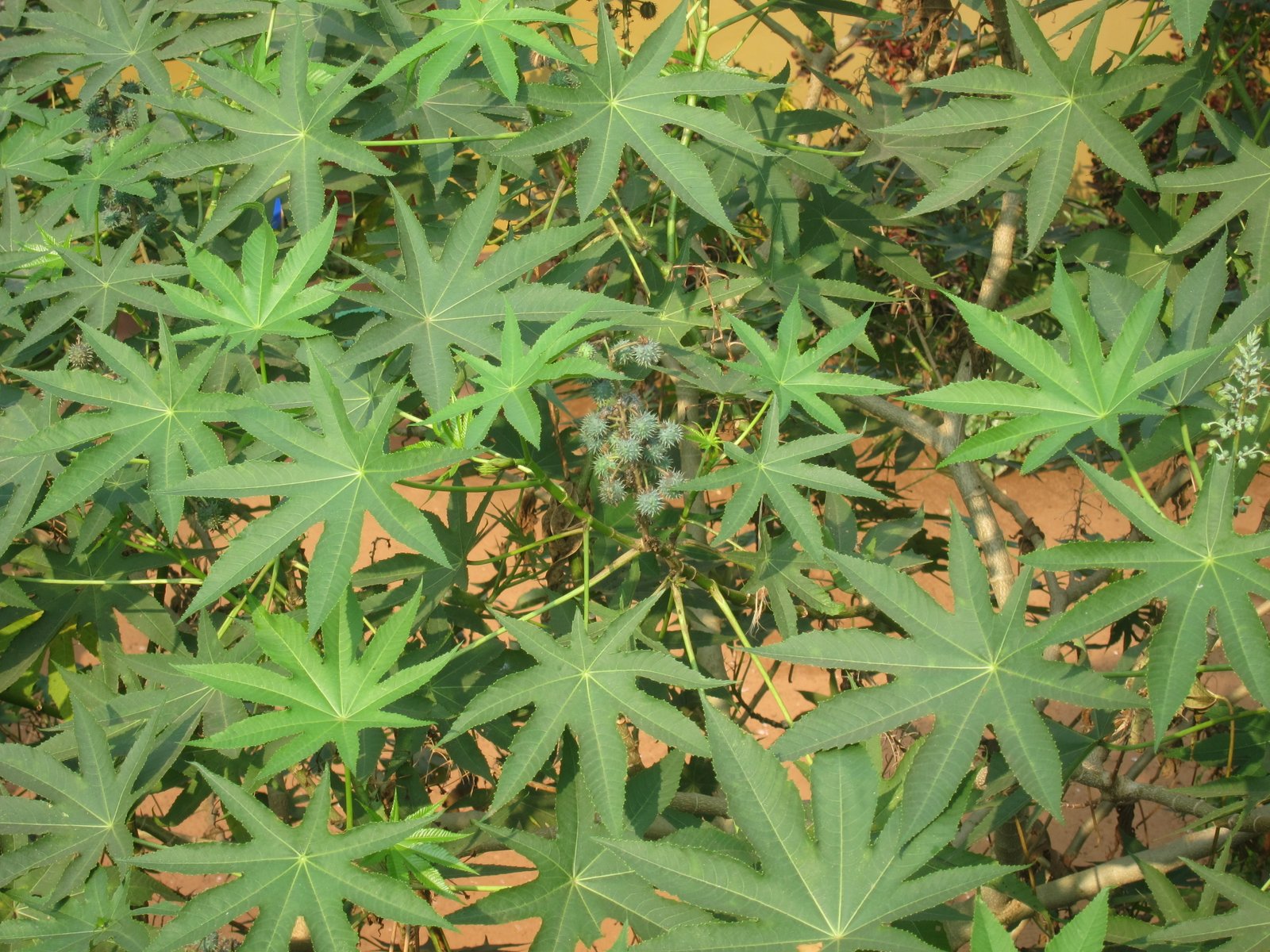
Aavanakk (Malayalam: ആവണക്ക്), scientifically known as Ricinus communis or the castor oil plant, is a fast-growing, soft-woody shrub native to tropical Africa and parts of India. While heavily cultivated globally for industrial castor oil production, it has become a highly aggressive invasive weed in disturbed areas, riverbanks, and wastelands worldwide. The plant is easily identified by its large, star-shaped palmate leaves and spiny, three-lobed seed capsules. It poses a severe ecological threat by forming dense, single-species stands that rapidly shade out and displace native flora. Furthermore, aavanakk presents a significant biological hazard: its seeds contain ricin, an extremely potent, lethal toxin that is highly poisonous to humans, livestock, and local wildlife if ingested.